

Don’t be Mean, Think Green!

Involve Now
Lets Join To Build The Better World Together

Global
Warming
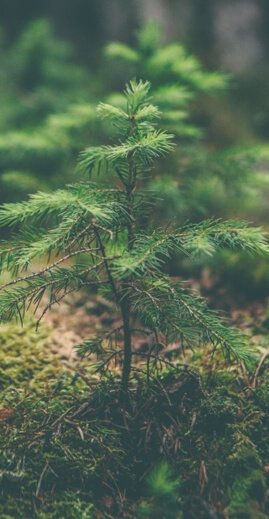
Save
The Tree

Save the
Animals
What We Offer
Our Work Enables
Critical Benefits
Fusce at quam mauris. Sed rutrum tempor temporae andy Suspe ndissei vestibulum justod turpis cursusey quissating agittis acuiy astempui.

Sustain Solutions
Fusce at quam mauris. Sed rutrum tempor temporai andy.

Water Conservation
Fusce at quam mauris. Sed rutrum tempor temporai andy.
Latest Projects
Building Ecology Resilience
and environment

Protecting
Wildlife

Protecting Eco
Activities

Recycling
Programs
Nature
Hear from Our
Clients About Their
Experiences On
Earth

Fusce at quam mauris. Sed rutrum lampr tempor andy Suspe ndissi vestibulu justod turpis cursuse quissting agittis cuiy astem pui. In turpis ncursus vel erout runiner trum blandi lieo andy Susp nidis sedbesti bulum justod turpis.

Alex Moony
CEO & Founder
